Cinematic Context
The background of a film is just as important as the actual film

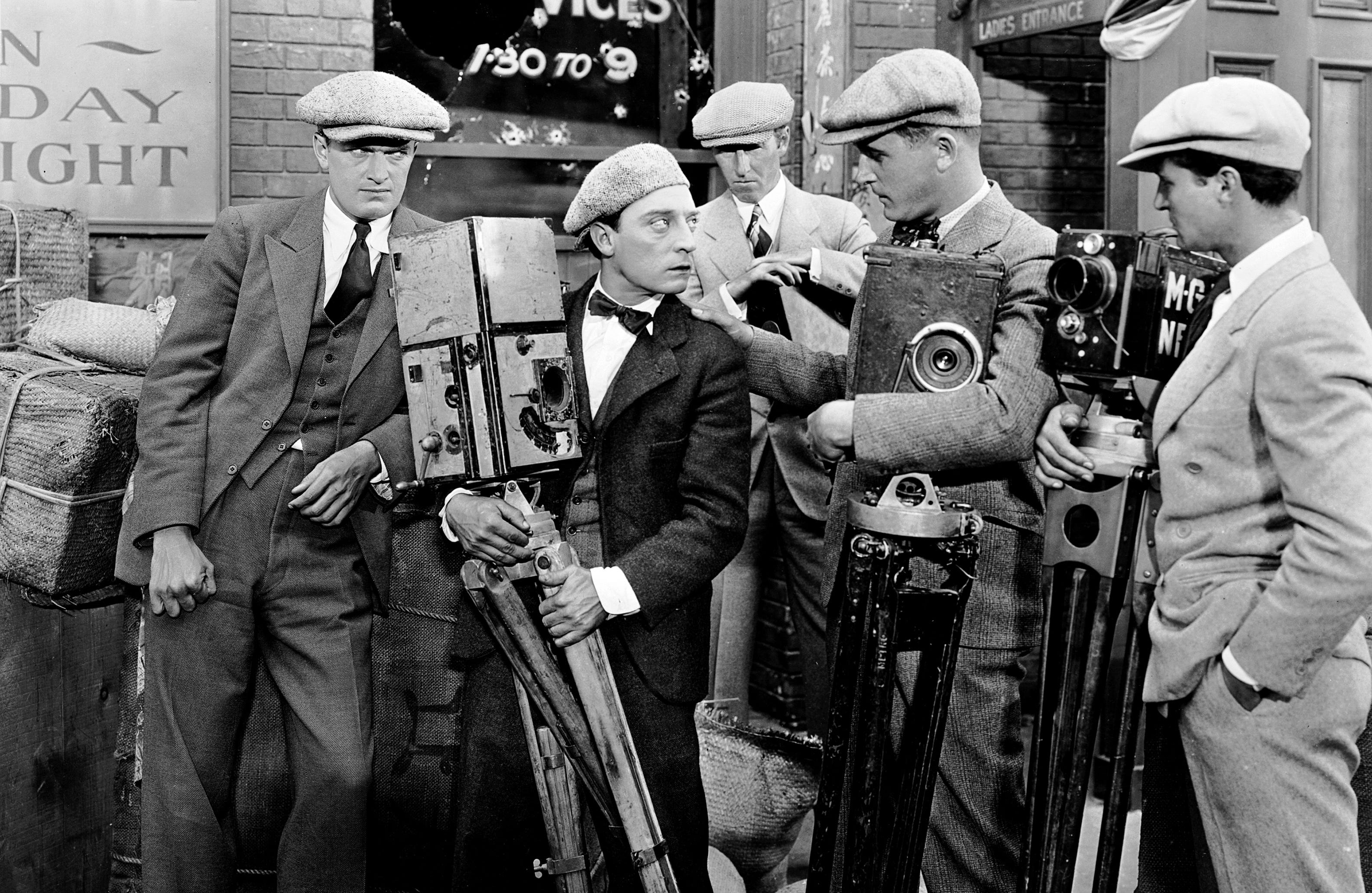
In 1928 Buster Keaton released his first film for Metro-Goldwyn-Mayer, The Cameraman. If next to nothing is known about The Cameraman before watching the film then the importance of this film in Keaton’s filmography may be lost on many viewers. Despite having all the staples of any other Keaton film preceding it such as his signature over-the-top stunts and “stone-faced” demeanor, what occurred behind the scenes makes the film out to be more of a melancholy endeavor. What is now known is that Keaton’s move from an independent creator to signing with MGM would be referred to by him as “the worst mistake of [his] career”. MGM stifled Keaton’s creativity and began the downfall of Keaton’s career. Keaton was forced by MGM to make films with the then-up-and-coming actor Jimmy Durante. Eventually, Keaton was relegated to help consult other MGM comedy stars like Red Skelton with gags in their own films. The story of Keaton’s tragic career decline is something that is important to understand while watching The Cameraman for the first time which was why it was good to see that the Criterion Collection’s 2020 release of the film included a forty-minute documentary produced by Turner Classic Movies about Keaton’s move to MGM. Through special features like the one in The Cameraman, films become recontextualized and the underlying conflicts that occurred off the screen are also able to garner more appreciation.
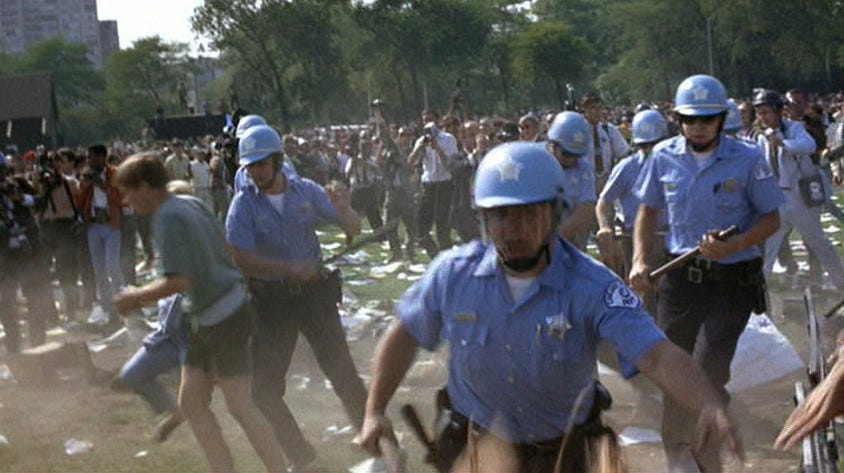
Haskell Wexler’s experimental New-Hollywood film Medium Cool (1969) was shot during the 1968 Democratic National Convention protests. While Wexler’s film is clearly trying to make a political point, the fact that a fictional film used a historic period of civil unrest makes that point all the more salient. But would many viewers of Medium Cool know this without reading up on that beforehand? I think it would be lost. This is why the recent editions of the film released make sure to take note of the historic implications of Medium Cool. On the Eureka Blu-ray release of Medium Cool, a booklet is provided with the film by Daniel Walker of the Chicago Study Team of the National Commission on the Causes and Prevention of Violence. This write-up by Walker is a primary source document that chronicles the violence that took place during the Democratic National Convention. The severity of the violence at the protests can be felt through these words, fifty-three years later, and it is an important piece of understanding Wexler’s masterpiece.
Like any great work, first, there is the story, then there is the story about the story. Both are important (and frequently, one is more engrossing than the other). John Steinbeck’s upbringing in the Salinas Valley of California is important to his work and before starting The Grapes of Wrath there is a reason why most editions bring up this point of information about the author. I am simply asking that films should be presented in the same way that most pieces of classic literature are presented with, a foreword. Turner Classic Movies is the gold standard in this regard, with numerous examples of providing brief historical context before the movie begins (including Medium Cool!). I firmly believe that if you help provide by making the information as easily accessible as possible you can make many other people hardcore fans of cinema.◒